Joe had his appointment with the OT—a Certified Hand Specialist—this morning. She was wonderfully helpful: removed his stitches, made a custom brace, and set him up with the first steps of rehabilitation. It’s absolutely crucial that he takes things slowly and doesn’t rush the process; apparently rupturing a tendon is alarmingly easy, and we’d prefer not to add another “emergency detour” to our itinerary. She needs to see him again in a week, so we spent much of the day reorganizing our trip around that. The good news is we now have a plan, and tomorrow we’ll start heading toward Cape Breton before looping back here.
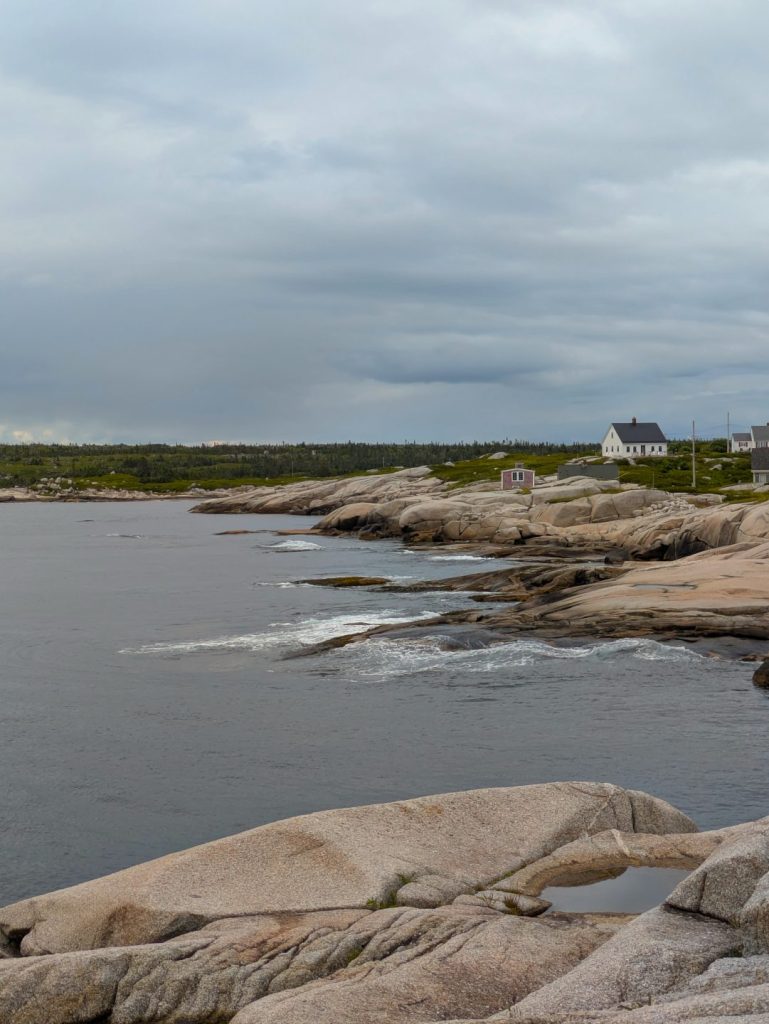
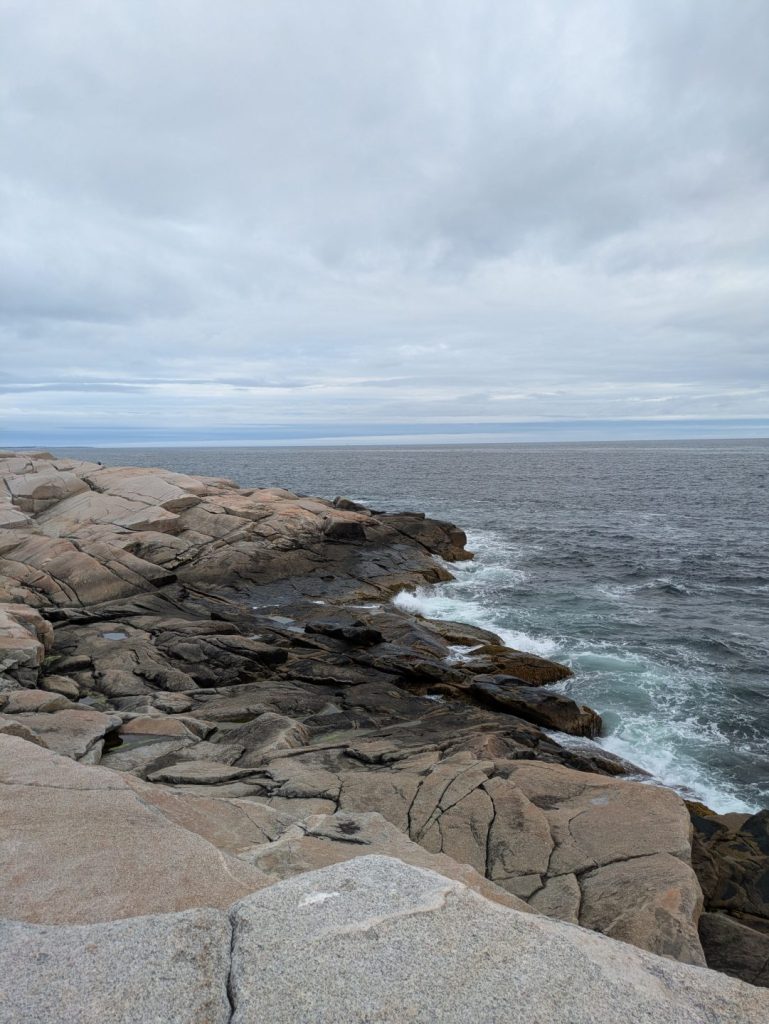
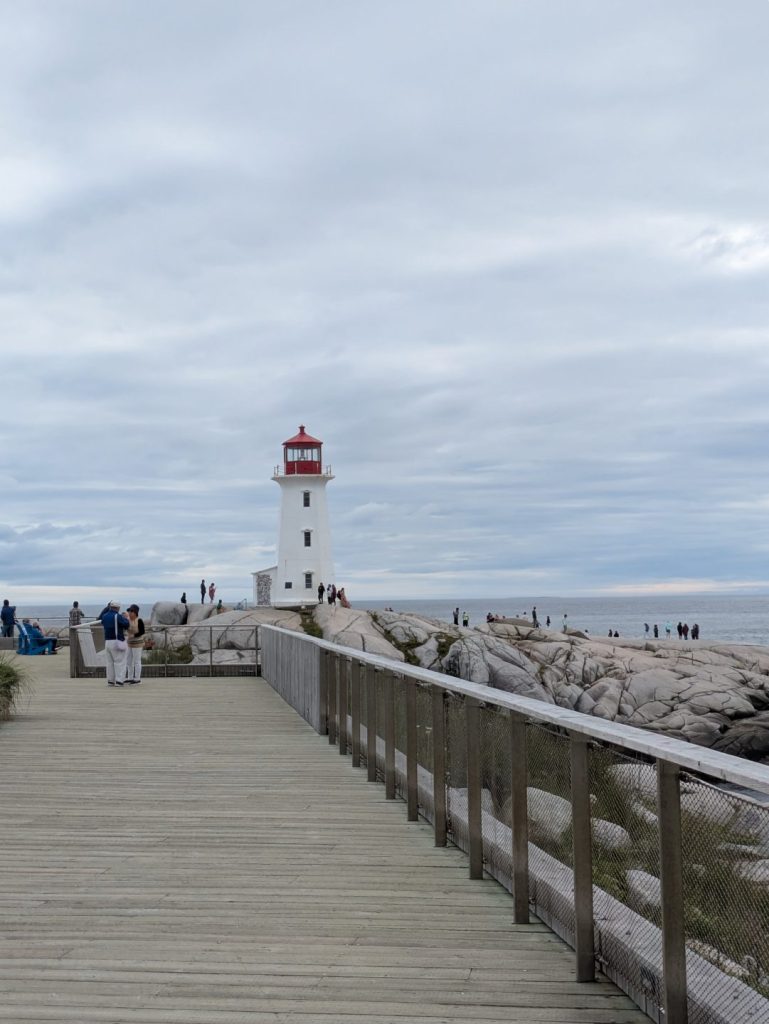
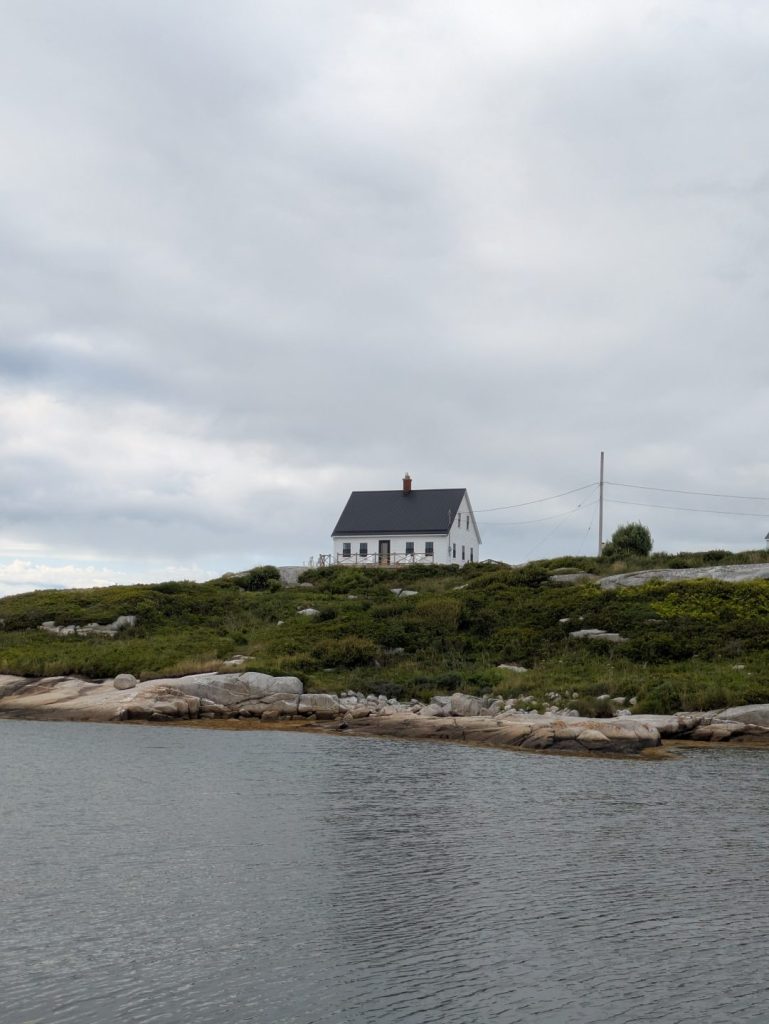
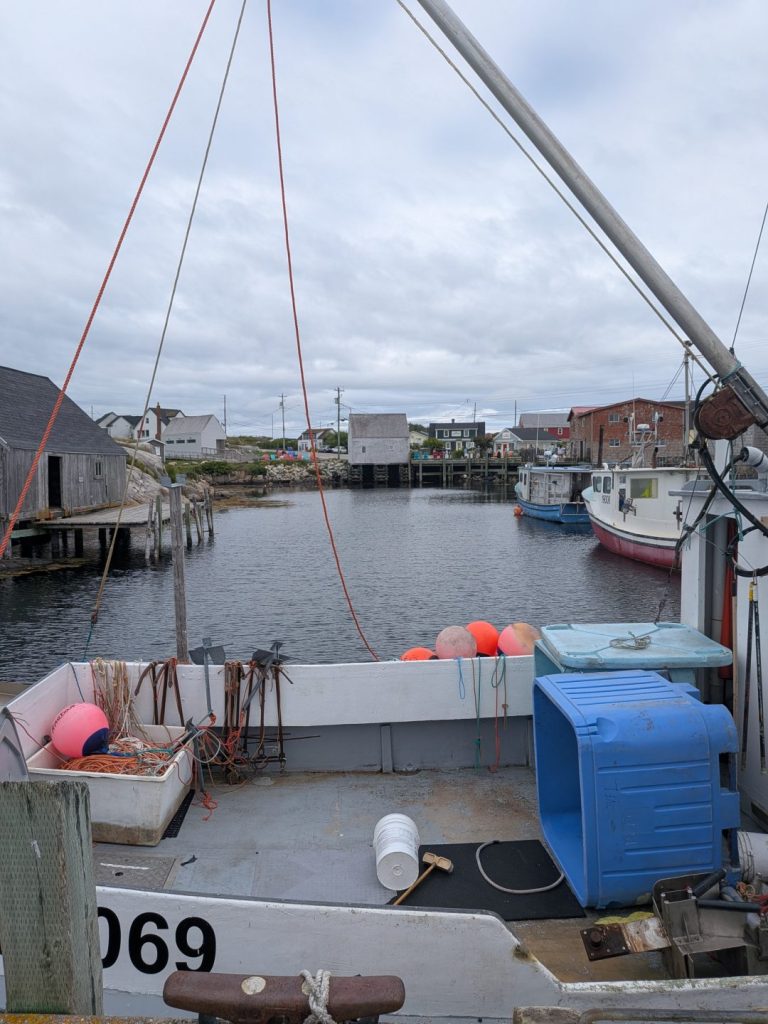
By mid‑afternoon we were thoroughly tired of logistics—there are only so many times you can reshuffle a route, and by the fifth attempt even Google Maps seemed to be doing eye rolls—and no visit to Nova Scotia feels complete without a stop at Peggy’s Cove. The little village, complete with its historic lighthouse, is one of the province’s most iconic attractions, drawing visitors from all over the world. Rugged landscapes, granite outcrops, and the crashing Atlantic make it feel both timeless and dramatic, even when you’re running on caffeine and travel‑planning fatigue.


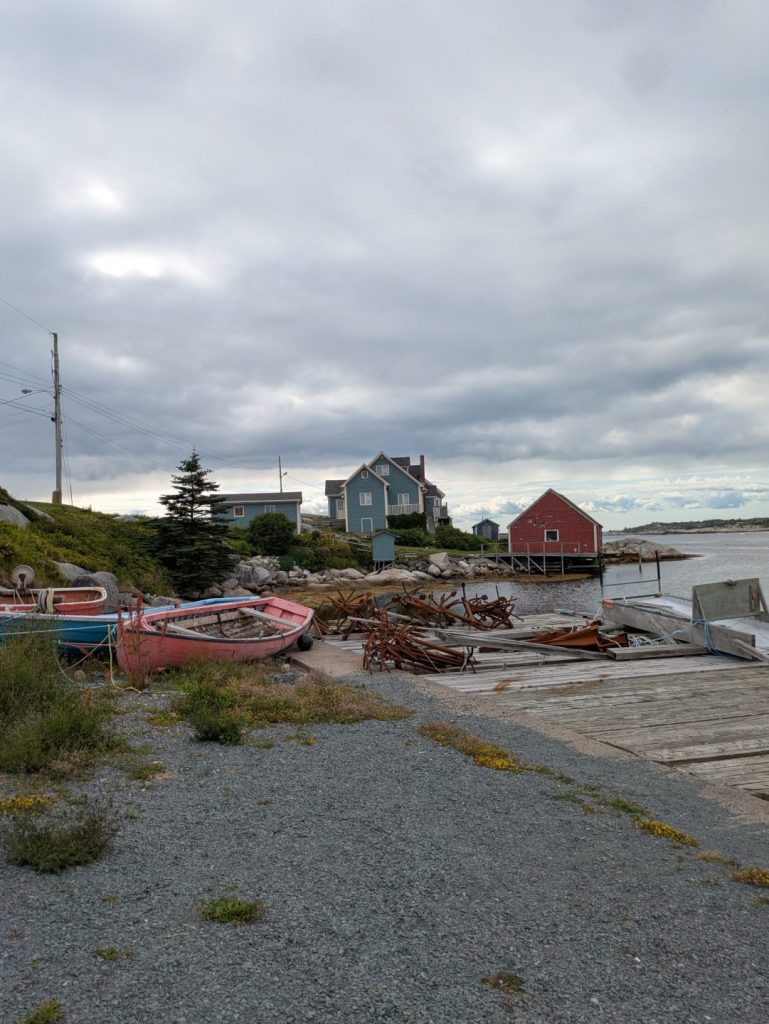
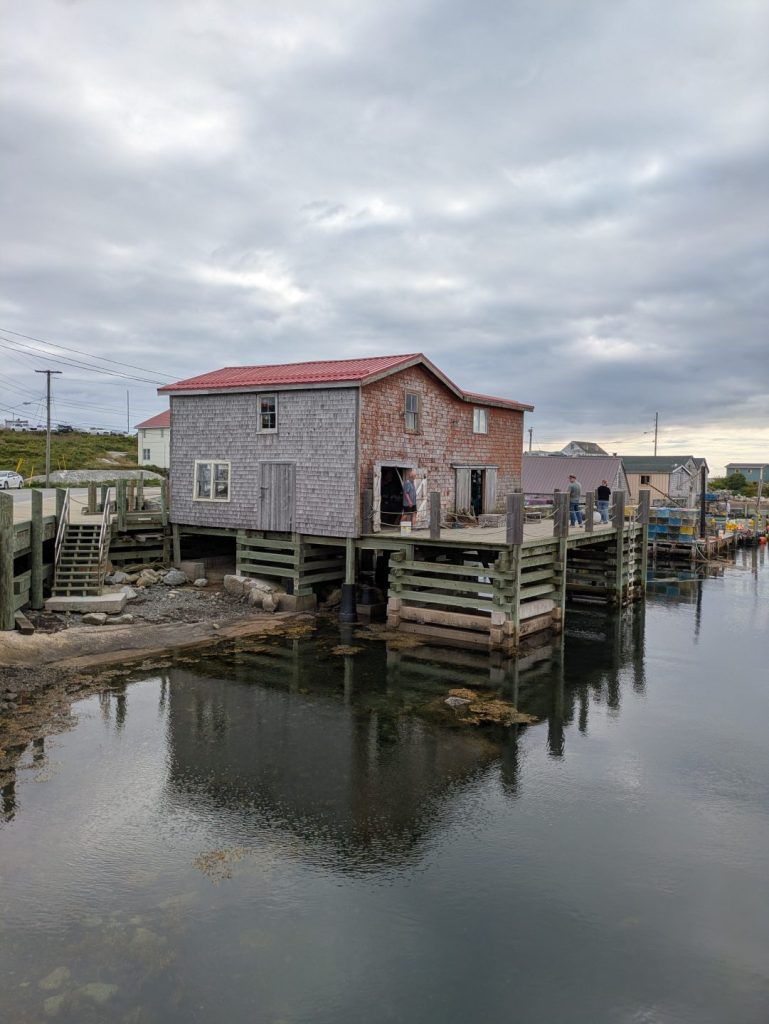
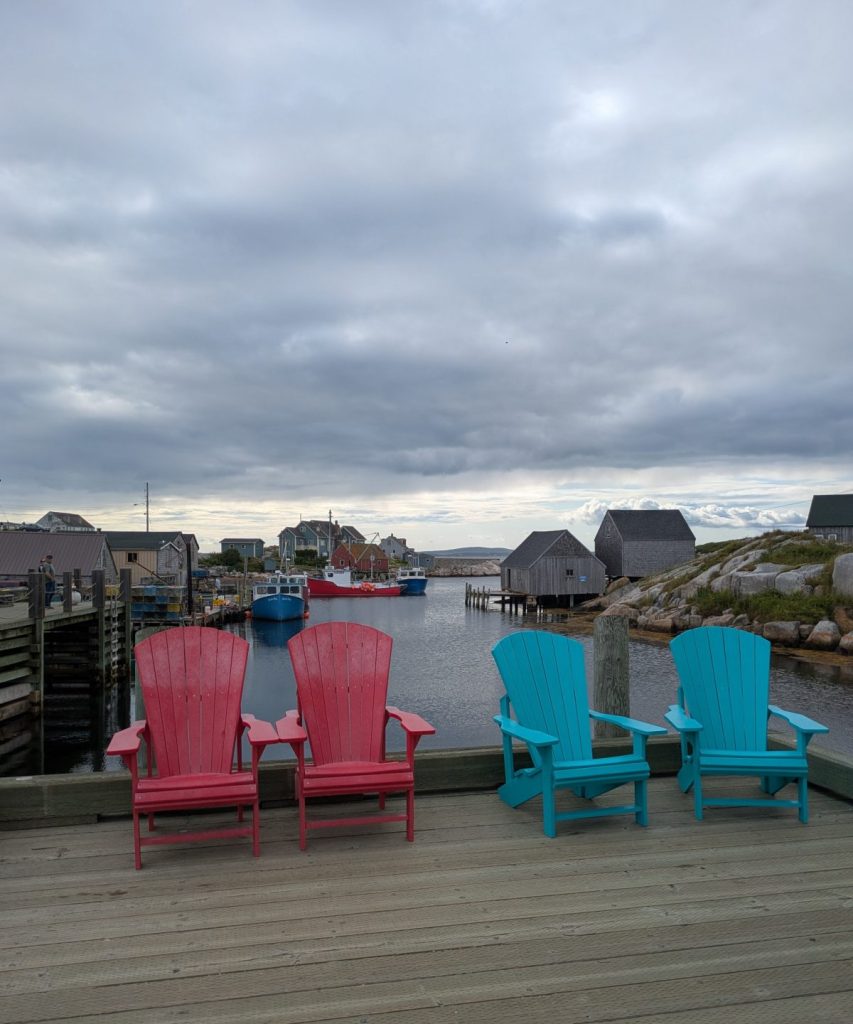
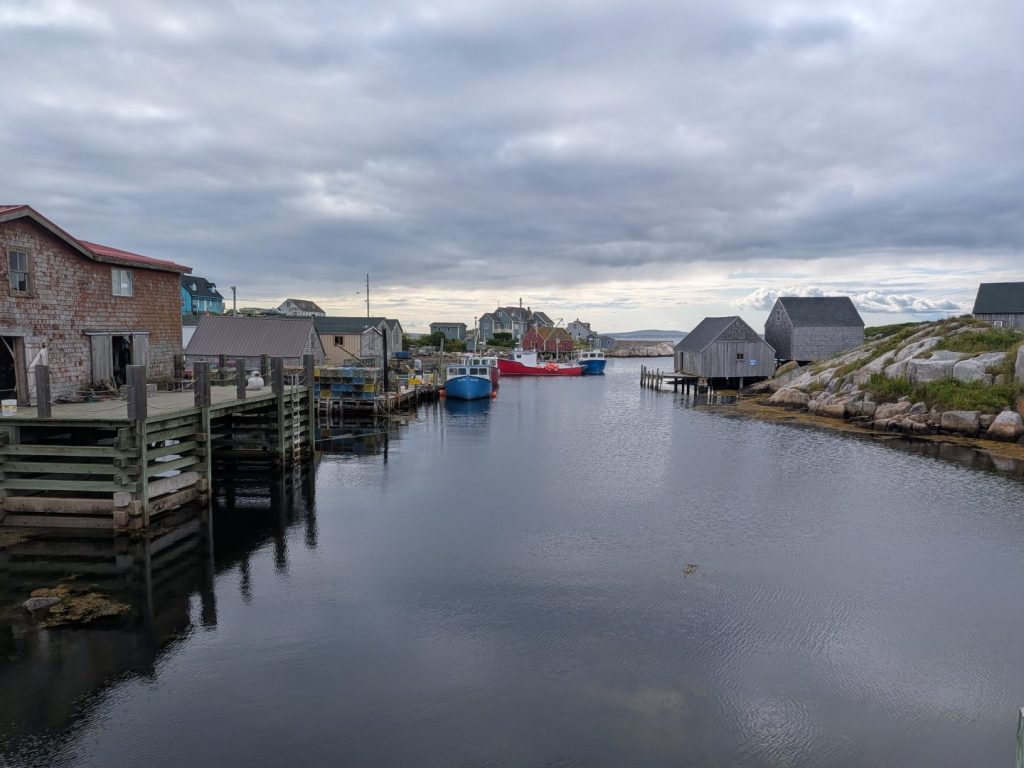
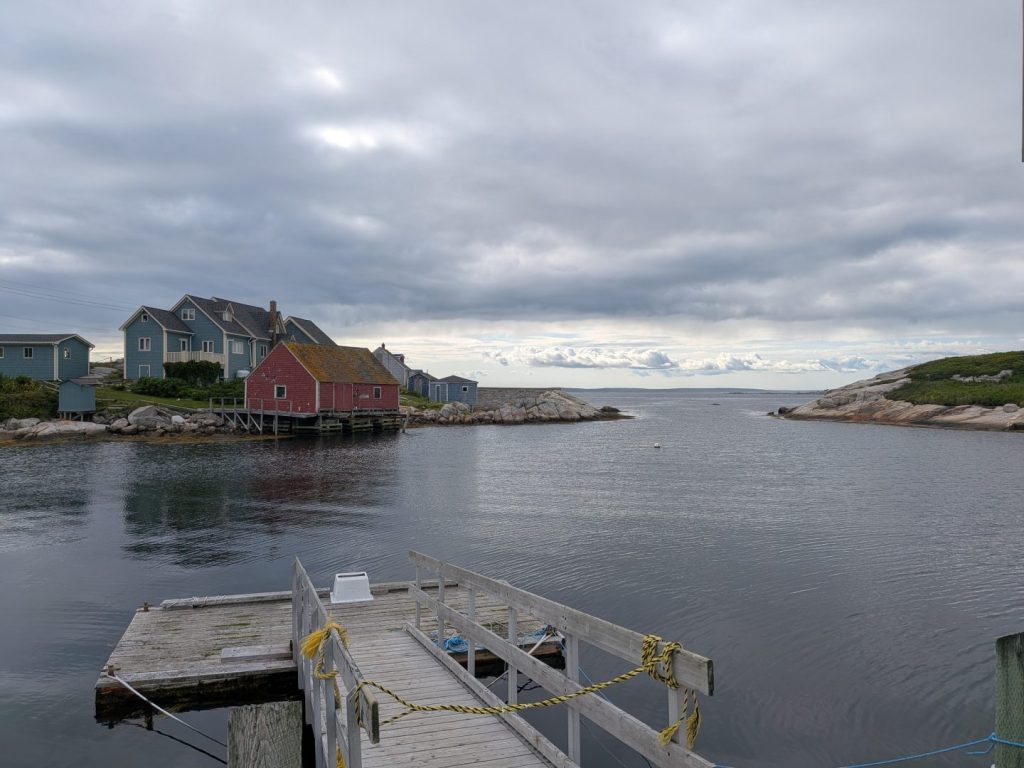
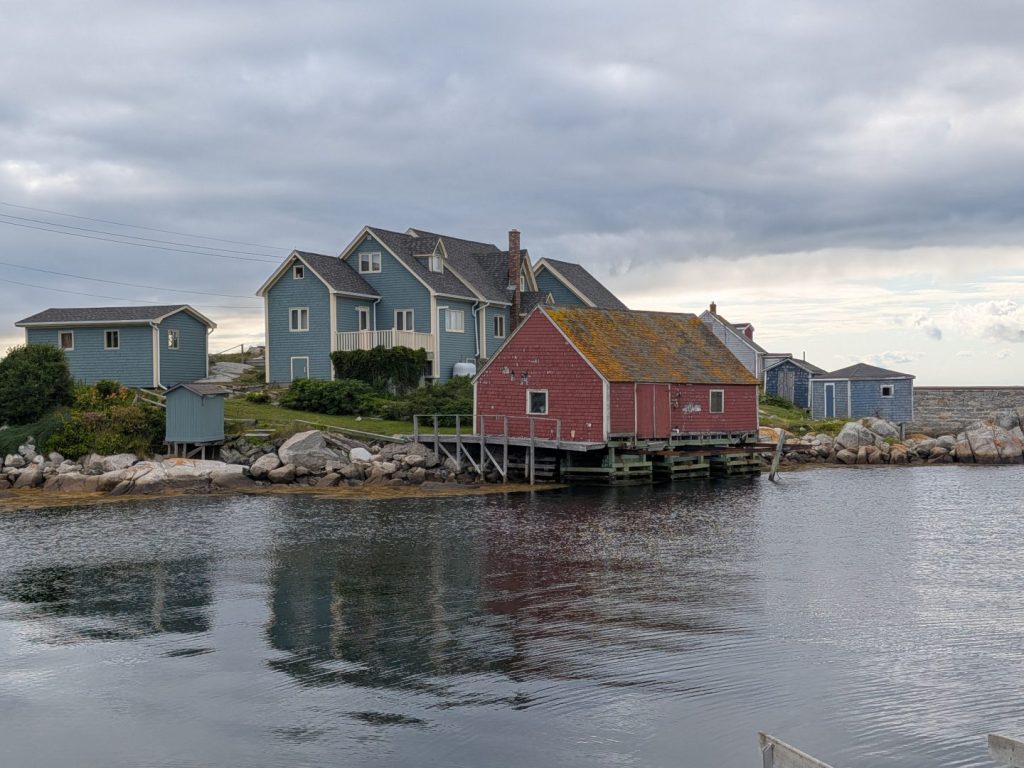
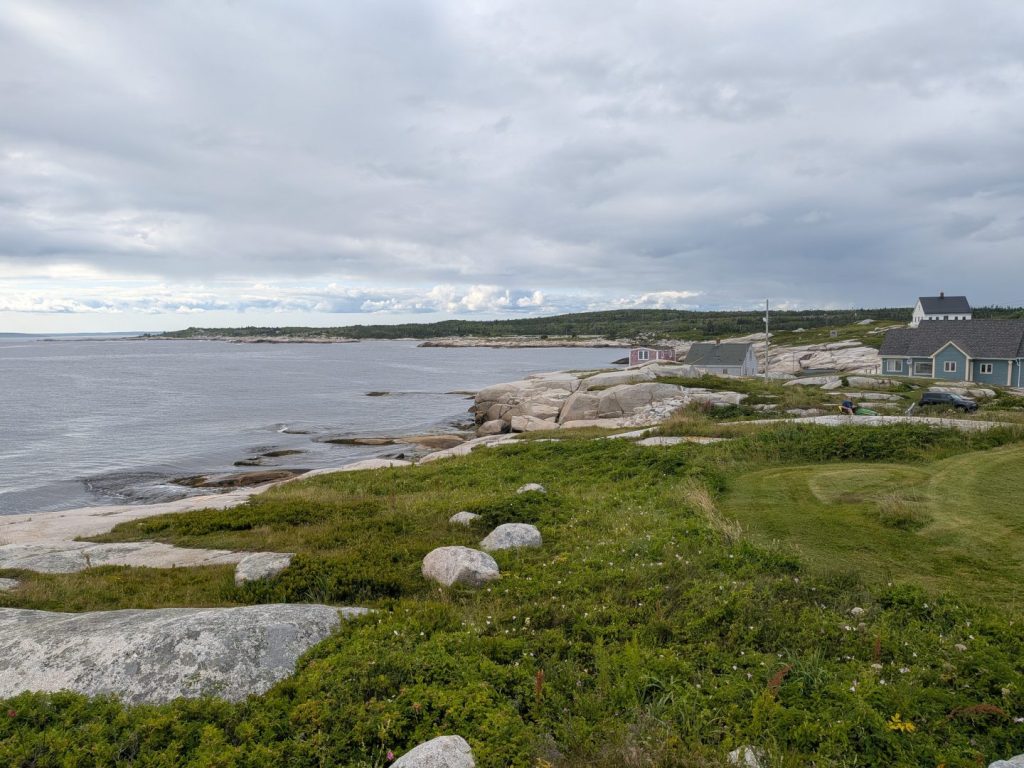


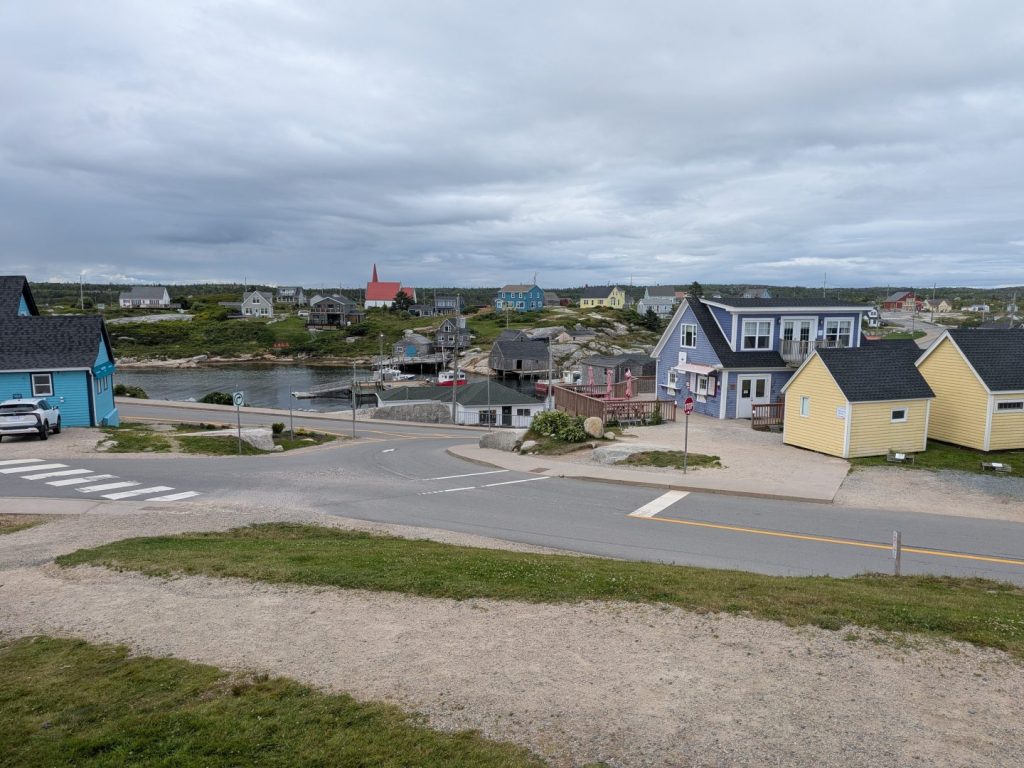

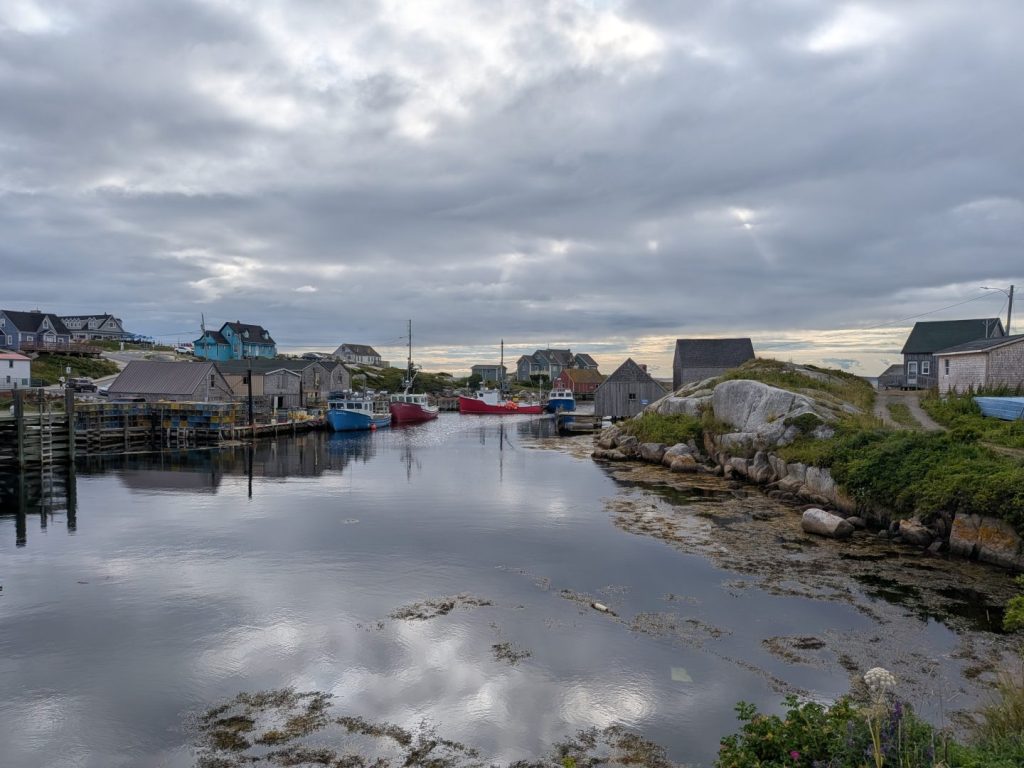
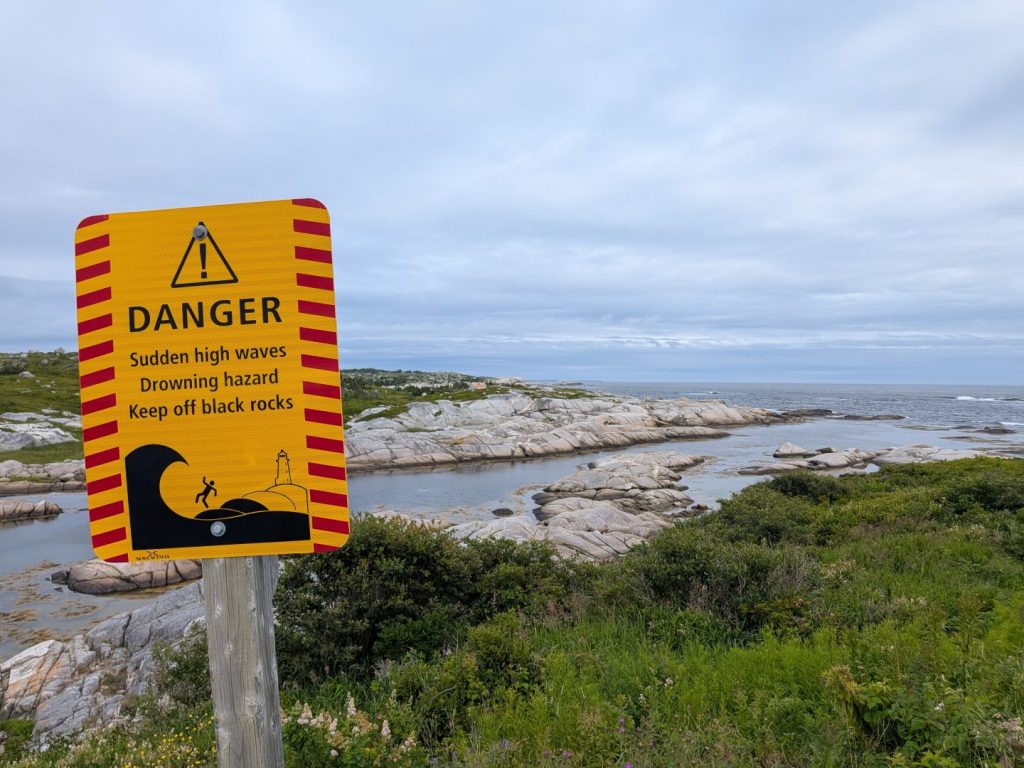


From there we drove down the road to West Dover Provincial Park in search of the Peggy’s Cove Food Factory, which turned out to be a food truck. The fish and chips were decent. I ended up chatting with a woman from Chilliwack who now runs the local convenience store. Joe, meanwhile, fell into conversation with a guy from Fort McMurray who spotted our Alberta plates and was keen for a chat.
We spent most of today’s driving hours talking through our impressions of Nova Scotia. We agree that:
- There are pockets of truly stunning beauty.
- The people are unfailingly friendly.
- Everyone really studies you as you approach—not in a judging way, but out of pure curiosity. And if you look back, they almost always break into a big smile.
- The road layouts are a little chaotic. Many shops can only be accessed from one direction, and crossing double yellow lines to reach a business seems to be perfectly acceptable.
- Industrial and residential areas often sit side‑by‑side in a rather haphazard way as if the city planner shrugged and said “Oh well!”.
- The thick, close‑set trees lining roads can feel a claustrophobic, with few open vistas.
- It’s clean, but not exactly tidy—more of an unruly mix of brush and shrubs.
- And the weather? A bit unpredictable. The “raining on only one side of the street” kind of unpredictable.
About the Author